
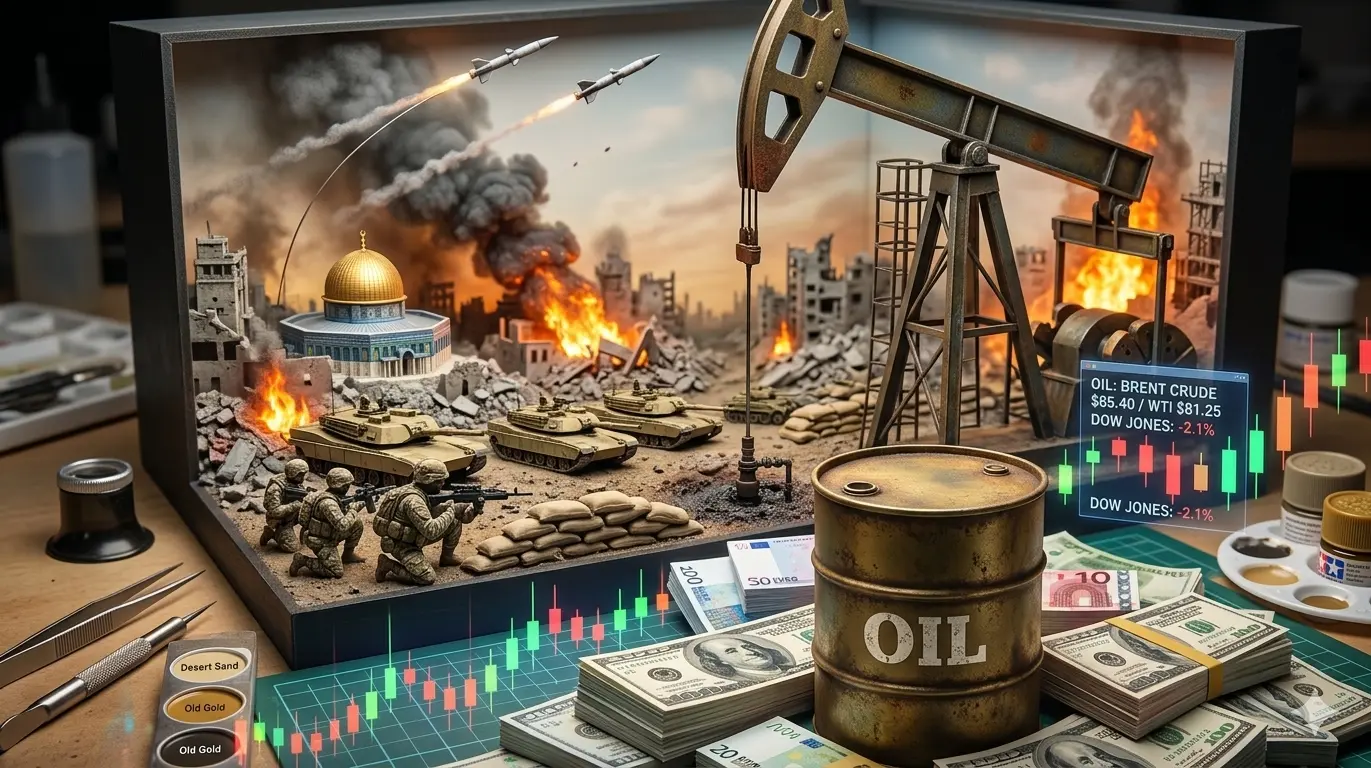
Trump Iran War escalations are projected to drive global oil prices to an unprecedented $200 per barrel, according to a stark warning from renowned Chinese-Canadian academic Professor Chang. Speaking in a high-profile interview with Tucker Carlson, Chang cautioned that the intensifying Middle Eastern conflict is rapidly evolving into a “forever war” that mirrors the geopolitical stalemate of the Russia-Ukraine crisis.
Economic Fallout of the Trump Iran War
The potential for a Trump Iran War to destabilize the global energy market is no longer a fringe theory. Professor Chang emphasized that a prolonged struggle would catastrophically disrupt supply lines, sending shockwaves through every sector of the global economy.
Follow us for More:
The consequences of this surge include:
- Energy Hyperinflation: Crude prices hitting $200 per barrel would triple transportation and production costs overnight.
- Global Food Crisis: Rising fertilizer and irrigation costs are expected to trigger widespread shortages, particularly in developing nations.
- The Petrodollar Collapse: A U.S. withdrawal from the Middle East could dismantle the system of trading oil in U.S. dollars, undermining a primary pillar of American financial dominance.
According to data from the International Energy Agency (IEA), any significant disruption in the Strait of Hormuz traditionally leads to immediate double-digit spikes in Brent Crude. Professor Chang argues that Iran is unlikely to cease military operations, potentially forcing Washington into a corner where the only exit involves massive reparations and a total military exit from the region.

Regional Contagion and Strategic Deadlock
As the Trump Iran War narrative deepens, the strategic options for the United States appear increasingly narrow. Chang suggests that Iran may leverage the conflict to demand a complete U.S. departure from the Gulf. This shift would not only reorder Middle Eastern power dynamics but also fundamentally weaken the American economy’s influence over global trade.
With energy-intensive industries already facing pressure, the transition of this conflict into a multi-year geopolitical struggle could mark the end of the current global financial era.