
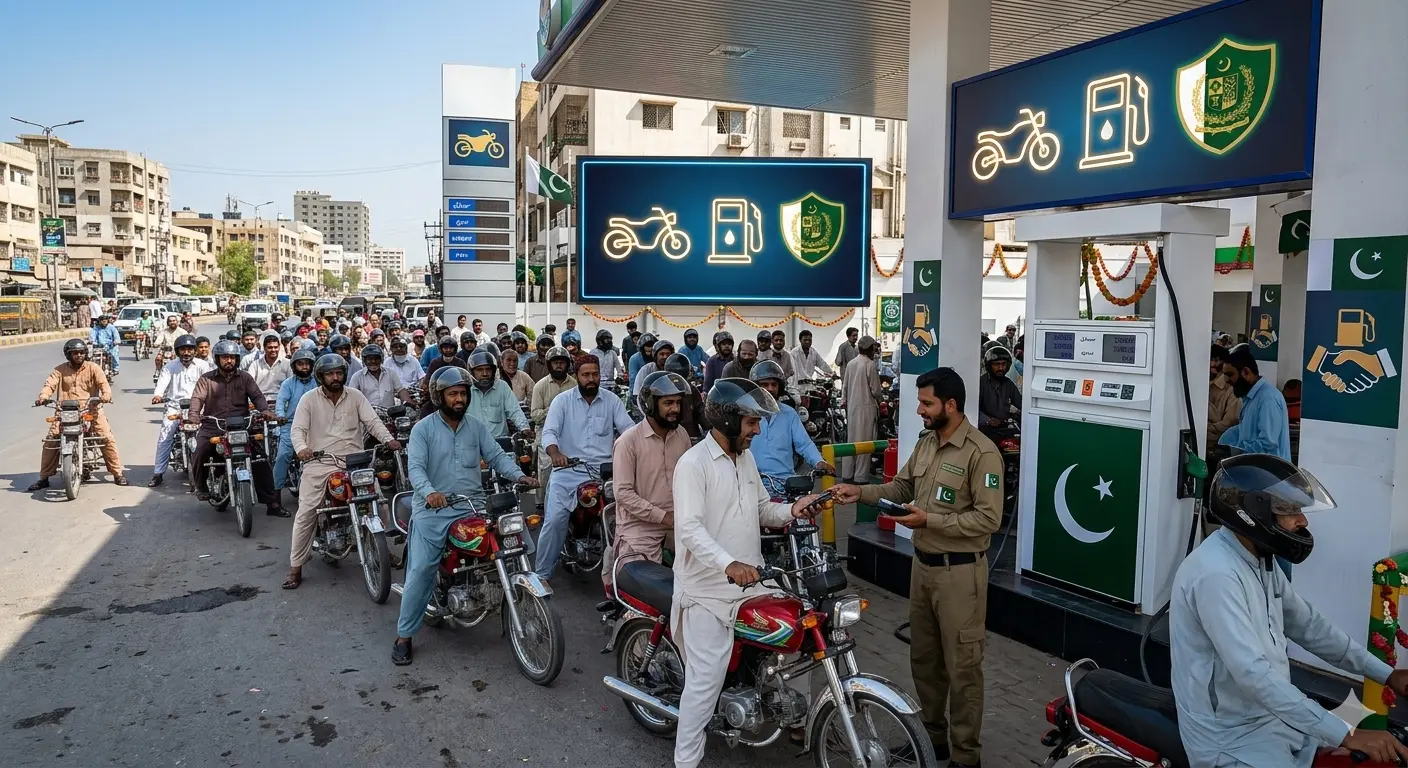
The federal government is fast-tracking a new Fuel Subsidy Scheme to provide immediate relief to motorcyclists and rickshaw drivers struggling under the recent petrol price hike. Petroleum Secretary Hamed Yaqoob Sheikh confirmed the move during a briefing to the Senate Standing Committee on Petroleum, noting that the plan aims to replicate successful regional relief models to protect low-income commuters.
Targeted Relief Under the Fuel Subsidy Scheme
Following the sharp rise in energy costs driven by global supply chain disruptions, officials are designing a targeted package specifically for small-vehicle users. The Fuel Subsidy Scheme is expected to function as a buffer against volatile market rates, ensuring that the most vulnerable segments of the transport sector remain operational.

Current National Fuel Reserves
Despite the pricing pressures, the Petroleum Division assured the Senate Standing Committee that the country maintains a stable supply chain. Current stocks include:
- Petrol: 27 days of coverage.
- Diesel: 21 days of coverage.
- Jet Fuel: 14 days of coverage.
- Crude Oil: 11 days of coverage.
- LNG: 9 days of coverage.
Supply Stability and Import Adjustments
To ensure uninterrupted availability, the government has temporarily authorized the import of petroleum products below the Euro 5 standard. Finance Minister Muhammad Aurangzeb, chairing a separate monitoring committee, confirmed that March requirements are fully secured, with current import plans covering the nation’s needs through mid-April 2026.
Challenges in the Energy Sector
While the Fuel Subsidy Scheme addresses immediate consumer pain, the broader energy landscape faces hurdles. LNG shipments from Qatar have faced disruptions since early March, forcing authorities to consider expensive spot-market purchases to prevent a shortfall in the power sector. Officials maintained that the recent price adjustments were a strategic move to prevent hoarding rather than a measure to increase oil company margins.
For official updates on energy policy and stock levels, visit the Ministry of Energy (Petroleum Division) or the Senate of Pakistan.